

What Is Risk Management in Forex?
Risk management in forex means planning how to protect your money while trading currencies. It is not just about making profits. It is about making sure you do not lose everything when a trade goes wrong.
Every trade in the forex market carries some level of risk. Prices move fast. Even experienced traders face unexpected losses. That is why risk management in forex is so important.
When you manage risk properly, you decide in advance how much money you are willing to lose on a trade. You also plan your exit points before entering. This keeps your trading account safe even during bad runs.
Why Risk Management in Forex Matters Before You Place Your First Trade
Before you ever click “buy” or “sell,” you need to understand one thing — saving your capital comes first.
Many beginners think forex trading is about finding the next big winning trade. But professionals know the real goal is to stay in the game long enough to profit consistently.
Making profit and protecting money are two different things. You can have 10 winning trades, but one huge loss can wipe them all out. That is why forex capital protection must come before profit chasing.
Beginners often ignore risk control because they are excited. They want fast results. But skipping risk management is the fastest way to lose your trading account.
What Are the Main Risks in Forex Trading?
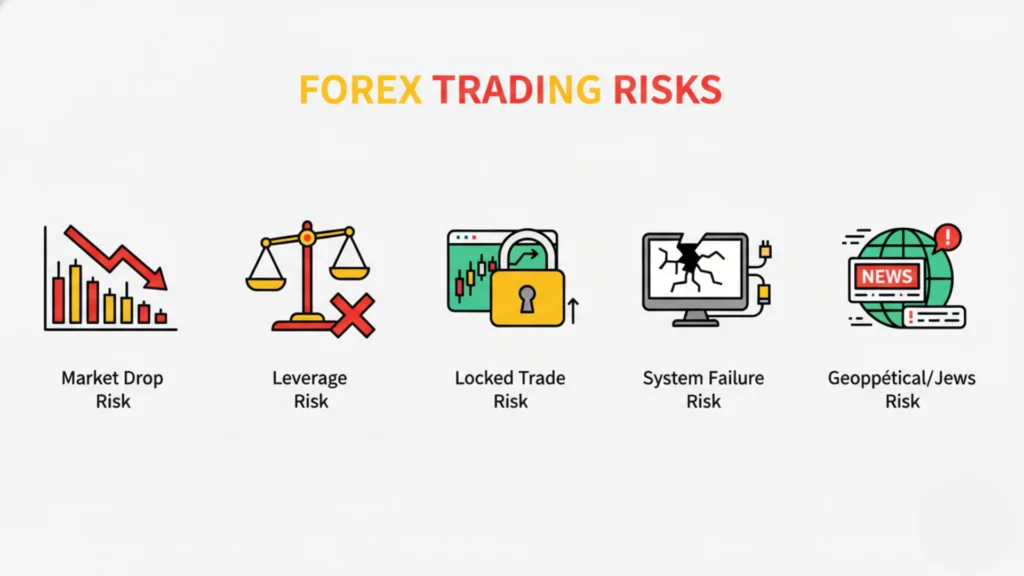
Market risk is the most common. Prices change every second. No one can predict the market perfectly.
Leverage risk is very dangerous for new traders. Leverage lets you control large amounts of money with a small deposit. But it also multiplies your losses quickly.
Liquidity risk happens when you cannot exit a trade at your desired price. This often occurs during major news events.
Operational risk includes technical problems like internet failure, platform crashes, or wrong order entries.
Country and political risk means that news like elections, wars, or economic changes in a country can cause sudden and sharp currency movements.
Common Types of Forex Risk
Transaction risk happens when the currency exchange rate changes between the time you open and close a trade. This affects your actual profit or loss.
Translation risk is more common for businesses. It happens when foreign assets are converted back to the home currency and the rate has changed.
Economic risk is the long-term effect of economic changes on currency values. If a country’s economy gets weaker, its currency usually falls.
Interest rate risk means that central banks raising or lowering interest rates can cause big currency movements. Traders must watch central bank news carefully.
Simple Example of Risk in Forex Trading
Imagine a beginner opens a $1,000 trading account. They feel confident and risk $500 on a single trade — that is 50% of their account. The trade goes wrong, and they lose $500.
Now they only have $500 left. To recover, they need to make a 100% gain just to get back to where they started. That is very hard.
This is a real-life story for thousands of new traders. It shows why forex loss management matters from the very beginning. One bad trade, made without proper risk control, can destroy weeks or months of effort.
Safe trading means never risking more than you can afford to lose on a single trade.
Core Risk Management in Forex Rules
The 1% Rule in Forex Trading
The 1% rule means you never risk more than 1% of your total trading account on a single trade. If your account has $1,000, you risk only $10 per trade.
Many traders use this rule because it protects your account during losing streaks. Even if you lose 10 trades in a row, you still have 90% of your money left.
For example, with a $2,000 account, your maximum risk per trade is $20. This is the foundation of smart forex risk per trade management.
Position Sizing
Position sizing means choosing how many units or lots to trade based on your risk limit. It is not about guessing. It is about calculating the right trade size every time.
If you set a stop loss of 20 pips and your maximum risk is $10, your position size should match that calculation. Forex position sizing keeps losses predictable and controlled.
Stop Loss Orders
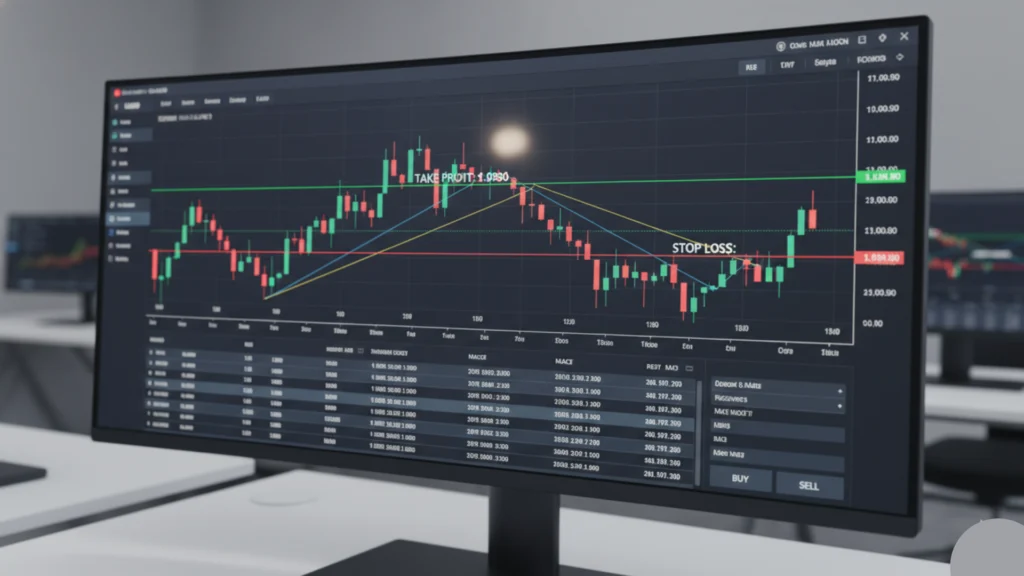
A stop loss order automatically closes your trade when the price moves against you by a set amount. It is the most basic and powerful tool in forex trading risk control.
Without a stop loss, one bad trade can run for hours and wipe out your account. Common mistakes include placing stop losses too tight, or not using them at all.
Take Profit Orders
A take profit order closes your trade automatically when it reaches your profit target. This removes the temptation to stay in a trade too long out of greed.
Take profit orders support forex trading discipline. They help you lock in gains without emotion getting in the way. Good traders always plan their exit before they enter.
Risk Reward Ratio
The risk reward ratio in forex tells you how much profit you aim for compared to how much you are risking. A 1:2 ratio means for every $1 you risk, you aim to make $2.
Most professional traders aim for at least a 1:2 or 1:3 risk to reward ratio. This means even if you lose more trades than you win, you can still be profitable overall.
Best Risk Management Strategies in Forex
Use Proper Leverage
High leverage is one of the biggest reasons traders lose money. Using 1:500 leverage means a small move against you creates a huge loss.
For beginners, safe leverage is usually between 1:10 and 1:20. Managing leverage in forex trading is not just smart — it is essential for survival.
Diversify Your Trades
Putting all your money into one currency pair is very risky. If that pair moves against you, everything is at risk.
Forex portfolio diversification means spreading trades across different currency pairs. This way, one loss does not destroy your entire account.
Use Hedging Strategies
Hedging in forex means opening a trade in the opposite direction to protect yourself from big losses. For example, if you are long on EUR/USD, you might open a small short position to reduce risk.
Simple hedging methods include using correlated pairs or options. Forex hedging strategy works well for traders who want to reduce exposure during uncertain market conditions.
Set Daily and Weekly Loss Limits
A daily loss limit means you stop trading for the day if you lose a certain amount. This prevents emotional trading after a bad day.
For example, if your daily risk limit is 3% of your account, you stop trading the moment you reach that loss. This is one of the best daily risk management in forex habits you can build.
Trade Only with a Clear Plan
Random trading always leads to random results. A proper forex trading risk plan includes your entry rules, exit rules, risk percentage, and trading hours.
Building a daily routine makes you a more disciplined and consistent trader. It removes guesswork and keeps emotion out of your decisions.
Beginner Mistakes in Risk Management in Forex
Trading Without a Stop Loss
This is the most dangerous habit. Always use a stop loss, no matter how confident you feel about a trade.
Risking Too Much on One Trade
Never put a large portion of your account on one trade. Stick to the 1% or 2% rule every time.
Using Too Much Leverage
High leverage feels exciting but destroys accounts fast. Keep leverage low, especially as a beginner.
Revenge Trading After Losses
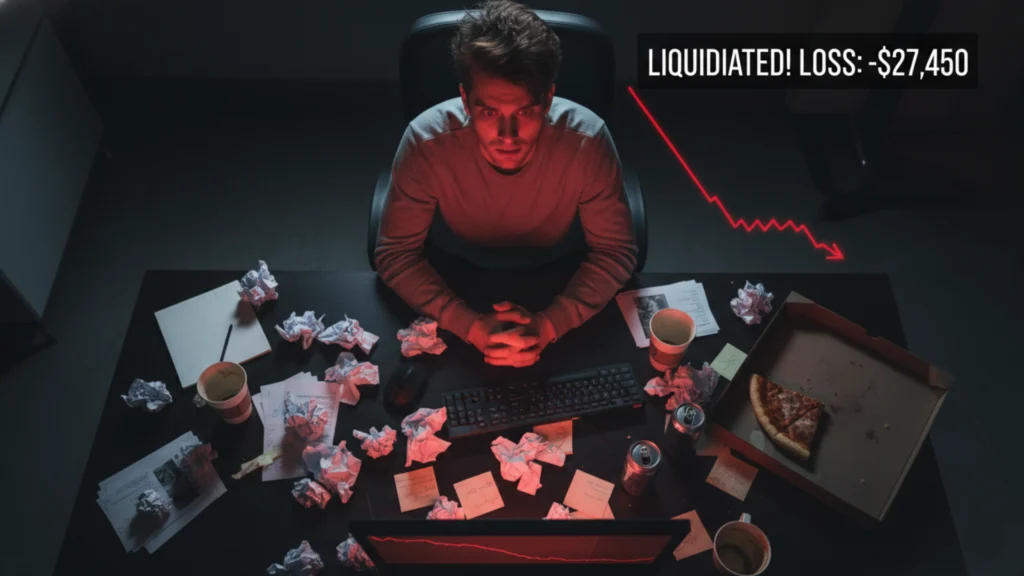
After a loss, many traders try to win it back immediately. This is called revenge trading, and it leads to even bigger losses. Walk away, breathe, and come back later.
Ignoring Market News
Big news events like interest rate decisions or job reports can cause sudden, sharp market moves. Always check the economic calendar before trading.
How to Protect a Small Forex Account
Start with small lot sizes. Micro lots let you trade with very little risk per pip. This gives you experience without destroying your account.
Avoid overtrading. More trades do not mean more profit. Focus on quality setups, not quantity.
Focus on survival before profits. Your first goal as a beginner is to keep your account alive. Profits will come with experience and discipline.
Grow slowly. Doubling your account in a week is a fantasy. Consistent, small gains compound beautifully over time. Protecting your small account is the best forex trading survival strategy.
Managing Losing Streaks in Forex
A losing streak is a series of back-to-back losing trades. Every trader faces them. The key is how you respond.
Reduce your trade size when you are losing. If you normally risk 1%, drop it to 0.5% until your confidence and account recover.
Know when to stop. If you have hit your weekly loss limit, stop trading. Rest, review your strategy, and return with a fresh mind. Forex account drawdown control saves careers.
Risk Management in Forex for Different Trading Styles
Risk Management in Forex for Scalping
Scalpers make many quick trades. They must use very tight stop losses and only risk a tiny amount per trade due to the high frequency of trades.
Risk Management in Forex for Day Trading
Day traders should set a clear daily loss limit. Close all trades before the market closes to avoid overnight gaps.
Risk Management in Forex for Swing Trading
Swing traders hold trades for days or weeks. They need wider stop losses but must maintain strong forex drawdown management practices.
Risk Management for Long-Term Traders
Long-term traders face weekend and overnight risks. Smaller position sizes and strong fundamental analysis are essential for this style.
Daily Forex Risk Management Checklist
Before Entering a Trade
Check the current market conditions and avoid trading during high-impact news. Set your stop loss and take profit levels. Use a forex trade risk calculator to confirm your position size is correct.
During the Trade
Follow your plan strictly. Do not move your stop loss further away from your entry. Stay calm and avoid emotional changes based on short-term price movements.
After Closing the Trade
Review what happened. Did you follow your plan? Record everything in your trading journal — wins, losses, and lessons. This is the core of forex trading discipline.
Useful Forex Risk Management Tools
Forex Risk Calculator
Forex Risk Calculator helps you calculate how much money you are risking based on your stop loss size and account balance.
Position Size Calculator
This tells you exactly how many lots to trade based on your risk percentage and stop loss distance.
Trading Journal
A journal records every trade. It shows patterns in your wins and losses and improves decision-making over time.
Economic Calendar
This shows upcoming news events that may affect currency prices. Checking it daily is a key part of risk management in forex trading.
Broker Risk Management in Forex Features
Many brokers offer features like negative balance protection, margin alerts, and stop out levels. Use them fully.
Risk Management vs Money Management in Forex
Risk management in Forex focuses on how much you can lose on a single trade or in a single day. It is about protecting your account from big drawdowns.
Money management in forex is broader. It covers how you grow your account, how you reinvest profits, and how you allocate capital across trades.
The key difference is that risk management in forex is defensive, while money management also includes the growth side. Both are essential, and neither works well without the other.
How Professional Forex Traders Manage Risk
Professionals never risk more than 1-2% per trade. They follow written rules every single day without exception.
When they face losses, they do not panic. They reduce position sizes, review their strategy, and return when conditions improve.
Most importantly, professionals protect capital first. They know that as long as they have money in their account, they have another chance. Forex trading without losing money entirely is possible when you treat capital preservation as the top priority.
Emergency Risk Plan for Sudden Market Moves
During major news events, spreads widen and prices jump. Avoid trading 30 minutes before and after big announcements.
During unexpected volatility, close or reduce risky positions immediately. Do not wait and hope the market recovers.
During broker or platform failure, always have your broker’s phone number ready. Know how to close trades manually if your platform crashes. This is part of every serious forex trading risk plan.
Best Habits for Strong Risk Discipline
Write your trading rules down and follow them every day. Rules that only exist in your head are easy to break.
Stay calm during losses. Every trader loses. The ones who succeed are those who lose small and win consistently.
Review your trades every week. Spot your mistakes and celebrate good discipline, not just profits.
Learning from mistakes is the most powerful growth tool in forex trading. Trading psychology and risk management in forex go hand in hand.
Can You Make Consistent Profit Without Risk Management in Forex?
No. The answer is almost always no. Traders who ignore risk control may win for a while, but eventually one bad trade or bad streak destroys everything.
Risk control in currency trading is what separates short-term gamblers from long-term professionals. It gives your strategy the space to work over time.
The connection between safety and success in forex is simple — the longer you stay in the game, the more opportunities you have to profit. Best forex risk management strategy is the foundation under every great trading career.
Frequently Asked Questions About Risk Management in Forex
Question: What is the best risk management strategy in forex?
Answer: The best strategy combines the 1% rule, stop loss orders, proper position sizing, and a risk reward ratio of at least 1:2. Consistency matters more than any single technique.
Question: How much should I risk per trade?
Answer: Most traders recommend risking 1% to 2% of your account per trade. This keeps losses small and manageable even during long losing streaks.
Question: Can beginners use leverage safely?
Answer: Yes, but only with low leverage levels like 1:10 or 1:20. High leverage should only be used by experienced traders who fully understand the risks.
Question: How do I calculate forex trading risk?
Answer: Use a forex risk calculator. Enter your account size, stop loss in pips, and risk percentage. The calculator shows you the correct position size.
Question: Why do most traders lose money in forex?
Answer: Most traders lose because they use too much leverage, ignore stop losses, trade emotionally, and skip proper risk management in Forex. Beginner risk management in forex education is the most important first step.
